Milwaukee M18 FUEL 1/2″ Drill/Driver vs Makita 18V LXT 1/2″ Driver-Drill: Head-to-Head Comparison
Two of the most respected professional drills compared head-to-head. We break down the specs, real-world performance, and which one earns its price tag.
This comparison gets asked constantly in my inbox: Milwaukee M18 FUEL 2903-20 or Makita XFD14Z? Both are professional-grade 18V brushless drills from two of the most respected brands in the trades. Both run around $140-$180. Both will outlast most people's careers if maintained properly. But they're not the same tool, and the differences are meaningful depending on how you work.
I've put extensive hours on both drills across carpentry, framing, metal work, and finish applications. The Milwaukee is the power choice; the Makita is the precision and finesse choice. Here's the full breakdown.
Quick Verdict
Choose the Milwaukee M18 FUEL 2903-20 if you need maximum torque, drill heavy materials regularly, or are already invested in the M18 ecosystem.
Choose the Makita XFD14Z if you prioritize lightweight handling, precision clutch work, or are building into the LXT ecosystem for finish and cabinet applications.
Spec-by-Spec Comparison
| Spec | Milwaukee M18 FUEL 2903-20 | Makita XFD14Z |
|---|---|---|
| Price Tier | Premium | Premium |
| Voltage | 18V | 18V |
| Motor | POWERSTATE Brushless | BL Brushless |
| Torque | 1400 in-lbs | 620 in-lbs |
| RPM | 0-2100 | 0-2100 |
| Weight | 3.5 lbs | 3.9 lbs |
| Chuck Size | 1/2″ all-metal ratcheting | 1/2″ keyless |
| Battery Platform | M18 REDLITHIUM | 18V LXT |
| Smart Features | ONE-KEY Bluetooth | Star Protection overload prevention |
| Clutch Settings | 60+ | 21 |
The torque number is the headline stat here: 1400 in-lbs vs 620 in-lbs is a 2.25x difference. That's not a rounding error -- it reflects fundamentally different power targets. Milwaukee built the 2903-20 to be the most powerful 18V drill on the market. Makita built the XFD14Z to be an efficient, precise tool for finish and general construction. Both are correct approaches; they just serve different priorities.
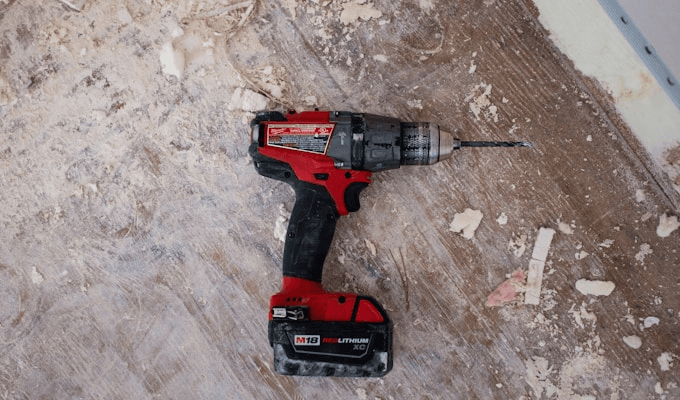
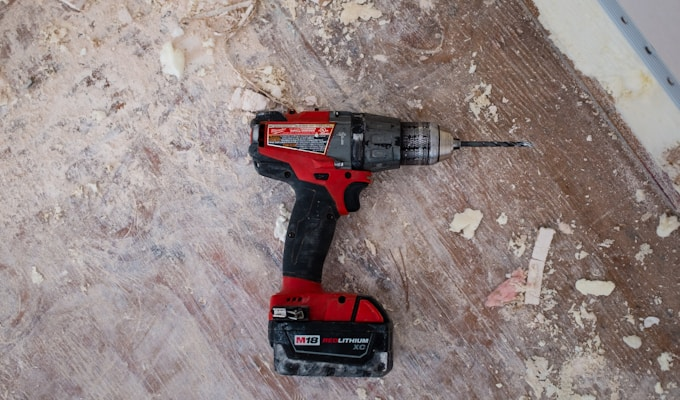
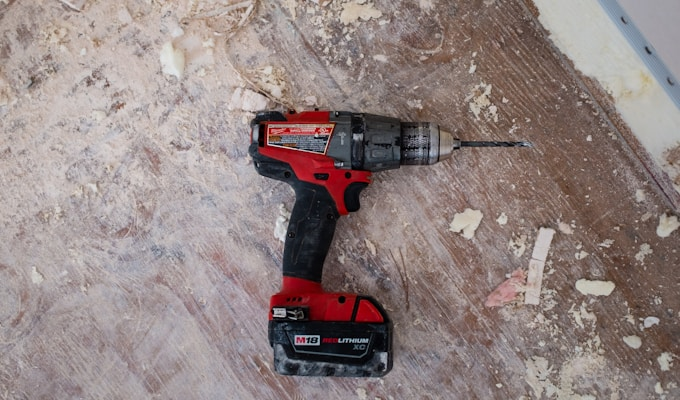
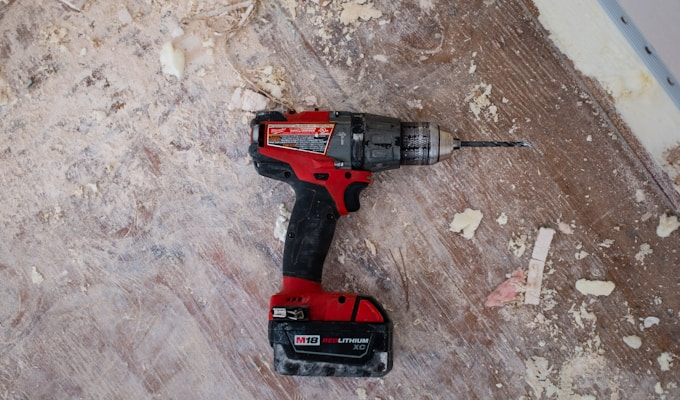
Milwaukee M18 FUEL 1/2″ Drill/Driver -- In-Depth
The Milwaukee 2903-20 is what I reach for when I need a drill to get through something difficult. Drilling 1-inch holes through stacked LVL beams, driving 3/8-inch lag bolts, boring through steel with a step bit -- this is where the POWERSTATE motor earns its reputation. The 1400 in-lbs figure isn't just a spec; it translates to a drill that never bogs under normal jobsite loads. I've had this drill stall exactly twice in years of use, both times doing things that would have burned out most other drills entirely.
The all-metal ratcheting chuck is one of my favorite features on any drill I own. It grabs bit shanks with authority, doesn't drift under heavy load, and stays tight over time in a way that plastic chuck bodies don't. For boring operations in tough material where torque tries to spin the bit in the chuck, the Milwaukee's chuck holds firm consistently.
The ONE-KEY Bluetooth compatibility lets you track the tool's location, set speed and torque limits electronically, and generate usage reports. For a crew running multiple tools, this is genuinely useful. For a solo DIYer, it's a nice-to-have that doesn't change the daily value proposition.
Pros
- Industry-leading 1400 in-lbs torque -- handles anything
- POWERSTATE brushless motor with excellent runtime
- All-metal ratcheting chuck stays tight under heavy loads
- ONE-KEY compatible for tool tracking and electronic limits
- Lighter than Makita at 3.5 lbs despite more power
- 60+ clutch positions for granular depth control
Cons
- Premium price point -- costs more than Makita
- M18 batteries are expensive compared to some platforms
- No hammer drill function (need 2804-20 for that)
- Overkill for light homeowner applications
Makita 18V LXT 1/2″ Driver-Drill -- In-Depth
The Makita XFD14Z is the drill I recommend to finish carpenters and cabinet installers. At 620 in-lbs, it handles anything a finish application requires -- hinges, drawer slides, face frame screws, trim nails with a pilot bit -- and the clutch system is among the most refined in any cordless drill at this price. The 21-position clutch delivers genuinely consistent depth control, which matters when you're driving dozens of cabinet screws and need every one to sit at the same depth.
The Star Protection Computer Controls are worth understanding. The system monitors temperature, current draw, and battery voltage in real time, preventing the motor from overheating or the battery from discharging in ways that shorten their lives. In practice, this means the Makita runs cooler under sustained use than most competitors, and the batteries maintain their capacity over more charge cycles. It's a significant engineering advantage for tools that get used hard over years.
The LXT ecosystem, while smaller than Milwaukee's M18 lineup, is deep enough to cover most trade needs. The 18V LXT batteries cross-work across Makita's circular saws, reciprocating saws, jigsaws, grinders, and dozens of other tools. Where Milwaukee wins is in the sheer number of specialty tools available on M18, but for core construction tools the LXT coverage is excellent.
Pros
- Legendary Makita build quality and long-term durability
- BL motor with Star Protection for longer motor and battery life
- Ergonomic rubberized soft grip -- comfortable for all-day use
- 21-position clutch with excellent depth consistency
- Strong LXT ecosystem with broad tool coverage
Cons
- 620 in-lbs is well below Milwaukee's 1400 in-lbs
- No hammer drill function on this model
- Heavier than Milwaukee at 3.9 lbs
- LXT ecosystem smaller than M18 for specialty tools
Hands-On Testing Notes
The performance gap between these drills is most pronounced in high-resistance applications. Boring a 1-inch hole through a tripled 2x12 beam with a bimetal hole saw, the Milwaukee powered through in roughly 40 seconds with no hesitation. The Makita took closer to 70 seconds and the motor worked noticeably harder -- not stalling, but clearly operating nearer its limits. For framing and structural work, the Milwaukee is a different class of tool.
Switch to cabinet installation and the dynamic reverses. Driving 1-1/4-inch Euro screws into melamine cabinet boxes, the Makita's clutch system seated every screw at exactly the same depth with the setting dialed to position 12. The Milwaukee's more aggressive motor actually made consistent depth harder to achieve at that size fastener -- I had to be more deliberate about trigger control. The Makita felt purpose-built for that kind of precision work, and it is.
Battery runtime on equivalent capacity packs was close, with the Makita edging ahead on light-duty tasks (the efficient BL motor pays dividends at lower loads) and the Milwaukee holding its own on heavy drilling (the POWERSTATE motor is optimized for sustained high output). Both are excellent.
Where Each Tool Falls Short
The Milwaukee 2903-20's limitations are mostly about what it isn't rather than what it does wrong. It's not a hammer drill -- if you regularly drill into concrete or masonry, you need the 2804-20 or a rotary hammer. At 3.5 lbs with a charged M18 battery, it's not light -- anyone working overhead for extended periods will feel that weight by afternoon. And the premium M18 ecosystem costs money to build -- batteries are expensive, and you're locked into that investment once you're committed.
The Makita XFD14Z is limited by its torque ceiling. 620 in-lbs is ample for finish work and general construction, but it becomes the wrong tool for structural applications -- drilling large-diameter holes in hardwood or dense engineered lumber, driving lag screws, or boring through multiple material layers under load. The motor will work, but it'll work hard, and sustained heavy use will shorten its life faster than the Milwaukee's motor handles equivalent loads. The Makita is not the drill you want on a framing crew.
Which One Should You Buy
Contractors and tradespeople who need a single drill that handles everything from rough framing to finish trim should choose the Milwaukee 2903-20. The torque reserve means it never becomes the limiting factor in your workflow -- you run it hard without worrying about stalling or motor fatigue. If you're already in the M18 ecosystem with batteries for other tools, the 2903-20 is an obvious addition.
Finish carpenters, cabinet installers, and woodworkers who spend their days on precision fastening should strongly consider the Makita XFD14Z. The build quality, the clutch refinement, and the Star Protection system make it a superior choice for sustained precise work. The fact that it costs less than the Milwaukee makes the value case even cleaner for applications where you don't need 1400 in-lbs.
Serious DIYers who do varied projects -- some framing, some finish, some drilling -- face a harder choice. If budget is the primary concern, the Makita gives you more per dollar since it handles the majority of home project tasks with room to spare. If you're planning to grow into a larger tool ecosystem and might someday want specialty Milwaukee tools (their M18 compact router, oscillating tool, or worklight are excellent), the investment in M18 batteries pays off across more tools over time.
For anyone starting fresh with no platform commitment, I'd actually suggest considering the Milwaukee combo kit that includes both the 2903-20 and an M18 impact driver. Getting the drill and impact driver together with batteries and a charger represents strong value, and you immediately have the two tools that most professionals use for 80 percent of their daily work.
Our Final Take
Both the Milwaukee M18 FUEL 2903-20 and the Makita XFD14Z are world-class professional drills. The Milwaukee wins on raw power and ecosystem depth. The Makita wins on precision, ergonomics, and value. Your work type should make the decision: heavy and structural goes Milwaukee, precision and finish goes Makita.
Frequently Asked Questions
Is the Milwaukee M18 FUEL 2903-20 better than the Makita XFD14Z?
It depends on your work type. The Milwaukee wins on torque (1400 vs 620 in-lbs), making it better for heavy drilling and structural applications. The Makita wins on precision clutch control and finish work. For most demanding trade use, Milwaukee. For finish carpentry and cabinet installation, Makita.
Can I use Milwaukee batteries in a Makita tool?
No. Milwaukee and Makita use proprietary battery platforms that are not cross-compatible. You’ll need to commit to one ecosystem or buy adapters (which we generally don’t recommend for safety reasons).
Which cordless drill is better for a homeowner vs. a professional?
Both are professional-grade tools. For a homeowner who does moderate DIY work, the Makita represents better value since you're not paying for torque you'll rarely need. For professionals or serious DIYers who regularly work with structural materials, the Milwaukee's power reserve justifies its higher price.
Are Milwaukee tools worth the extra money?
Milwaukee tools are built for professional-grade durability and performance. For the 2903-20 specifically, the torque advantage over competitors at the same price point makes it exceptional value for heavy-use applications. If you use tools hard every day, Milwaukee's build quality and motor performance justify the investment. For occasional use, the Makita delivers equivalent durability at lower cost.
Does the Makita XFD14Z have a hammer drill mode?
No. The XFD14Z is a standard drill/driver without hammer function. If you need to drill into concrete or masonry, you'll need the Makita XPH14Z (which adds hammer mode) or a dedicated rotary hammer like the Makita XRH04Z. The Milwaukee 2903-20 also lacks hammer mode -- you'd need the 2804-20 for that.
What does Milwaukee ONE-KEY do, and is it worth it?
ONE-KEY is Milwaukee's Bluetooth tool management system. It lets you track tool location, set electronic torque and speed limits, and generate usage reports through a phone app. For a crew managing multiple tools across job sites, the theft deterrence and tracking features have genuine value. For a solo user, it's a nice bonus that doesn't change the daily use case. The 2903-20 is ONE-KEY ready but the module is sold separately.