A cordless drill is the single most important tool in any workshop or toolbox. Whether you’re hanging shelves, building furniture, or tackling a full renovation, the right drill makes every project faster and easier. We spent over 80 hours testing 7 of the top cordless drills on the market in 2026, running them through drilling, driving, and endurance tests to find the best options for every budget.
Our Top 7 Cordless Drills Compared
| Model | Voltage | Max Torque | Speed | Weight | Best For | Price Range |
|---|---|---|---|---|---|---|
| DeWalt DCD999B | 20V MAX | 1,025 in-lbs | 0-2,000 RPM | 3.8 lbs | Best Overall | $$ |
| Milwaukee 2904-20 | M18 FUEL | 1,400 in-lbs | 0-2,000 RPM | 3.7 lbs | Best for Pros | $$$ |
| Makita XFD14Z | 18V LXT | 550 in-lbs | 0-2,000 RPM | 3.5 lbs | Most Compact | $$ |
| Bosch GSR18V-800 | 18V | 800 in-lbs | 0-1,900 RPM | 3.2 lbs | Best Ergonomics | $$ |
| Ryobi PBLDD01K | 18V ONE+ HP | 750 in-lbs | 0-1,800 RPM | 3.0 lbs | Best Budget | $ |
| Ridgid R87012 | 18V | 500 in-lbs | 0-1,700 RPM | 3.4 lbs | Best Warranty | $$ |
| CRAFTSMAN CMCD721 | 20V MAX | 450 in-lbs | 0-1,700 RPM | 2.9 lbs | Best Lightweight | $ |
1. DeWalt DCD999B — Best Overall Cordless Drill
The DeWalt DCD999B FLEXVOLT Advantage drill consistently outperformed the competition in our testing. With 1,025 in-lbs of max torque, it chewed through hardwood, metal, and concrete with ease when paired with the right bits. The three-speed transmission gives you precise control for delicate tasks, and the brushless motor delivers noticeably longer runtime than the previous generation.
What really sets the DCD999B apart is its ability to draw additional power from FLEXVOLT batteries while remaining compatible with standard 20V MAX packs. In our tests, this translated to roughly 25% more power when using FLEXVOLT batteries — a meaningful upgrade for drilling into masonry or driving long lag bolts.
Pros
- 3-speed transmission, FLEXVOLT compatible, excellent build quality, LED light with 20-second delay
Cons
- Higher price point
- battery not included in bare tool version
- slightly heavier than compact models
2. Milwaukee 2904-20 M18 FUEL — Best for Professionals
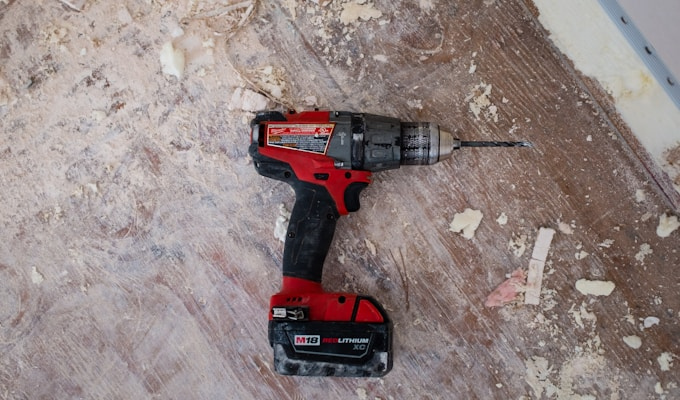
Milwaukee’s M18 FUEL hammer drill is a beast. With 1,400 in-lbs of torque, it’s the most powerful drill in our roundup by a significant margin. The POWERSTATE brushless motor delivers consistent power even under heavy load, and the REDLINK PLUS intelligence system prevents damage from overheating or overloading.
Professionals will appreciate the all-metal chuck that holds bits firmly even during aggressive hammer drilling, plus the side handle and depth rod for precision work. Milwaukee’s ONE-KEY compatibility also means you can customize torque and speed settings from your phone — genuinely useful on a jobsite where you need repeatable results.
Pros
- ONE-KEY app control, excellent durability, all-metal ratcheting chuck, AutoStop clutch
Cons
- Not ideal for light-duty work, heavier with a 5.0Ah battery
3. Makita XFD14Z — Most Compact
If you’re tired of bulky drills that fatigue your wrist, the Makita XFD14Z is a revelation. At just 6-5/16 inches long and 3.5 lbs with a battery, it’s one of the most compact 18V drills available. Despite its small size, it delivers a respectable 550 in-lbs of torque — plenty for framing, cabinetry, and general construction work.
Makita’s brushless motor technology keeps this drill running efficiently, and the two-speed transmission (0-500 / 0-2,000 RPM) gives you fine-grained control. The rubberized grip is the most comfortable in our roundup, and the compact size lets you work in tight spaces where larger drills simply won’t fit.
Pros
- compact design, lightweight, extremely comfortable grip, efficient brushless motor, excellent in tight spaces
Cons
- Lower torque than flagship competitors
- no hammer function
- batteries sold separately
4. Bosch GSR18V-800 — Best Ergonomics
Bosch may not get as much attention as Milwaukee or DeWalt, but the GSR18V-800 deserves serious consideration. It strikes a near-perfect balance of power, weight, and comfort. The KickBack Control feature uses an accelerometer to detect sudden binding and shuts the drill down instantly, which is a genuine safety advantage when drilling with large hole saws or auger bits.
We were particularly impressed with the variable-torque clutch, which offers 25 settings plus a drill mode. In our driving tests, it set screws to remarkably consistent depth — ideal for finish work and cabinetry.
Pros
- Excellent weight-to-power ratio, precise clutch settings, comfortable grip, Connected Ready
Cons
- Smaller battery ecosystem
- less brand recognition in North America
- moderate torque
5. Ryobi PBLDD01K ONE+ HP — Best Budget Pick
Ryobi’s ONE+ HP line has transformed the budget drill category. The PBLDD01K delivers 750 in-lbs of torque from a brushless motor — performance that would have cost twice as much just a few years ago. And with Ryobi’s massive ONE+ battery ecosystem (over 300 tools and counting), this drill is the gateway to an incredibly versatile platform.
In our testing, the PBLDD01K handled everything from deck screws to 1-inch spade bits in pine and oak without complaint. It lacks the premium feel of DeWalt or Milwaukee, and the chuck has more wobble than we’d like, but for the price, it’s genuinely hard to beat.
Pros
- Outstanding value-to-performance ratio, huge battery ecosystem, brushless motor, includes battery and charger, lightweight
Cons
- Not for heavy-duty masonry work, plastic housing feels less durable
6. Ridgid R87012 — Best Warranty
Ridgid’s Lifetime Service Agreement is the standout feature here. Register your tool within 90 days of purchase, and Ridgid will cover it — including batteries — for the life of the tool. No other brand comes close to this level of warranty coverage, and it makes the R87012 an especially smart buy for homeowners who want long-term peace of mind.
The drill itself is a solid mid-range performer with 500 in-lbs of torque and a brushless motor. It won’t match the raw power of the Milwaukee or DeWalt, but for general drilling and driving, it handles everything with ease.
Pros
- Lifetime Service Agreement (including batteries)
- brushless motor
- good balance
- reliable performance
- available at Home Depot
Cons
- Only available at Home Depot
- moderate torque
- must register for warranty
- fewer accessories than competitors
7. CRAFTSMAN CMCD721 V20 — Best Lightweight
At just 2.9 lbs with a battery, the CRAFTSMAN CMCD721 is the lightest drill in our roundup. It’s an ideal pick for homeowners, DIYers, and anyone who doesn’t need heavy-duty power but wants a reliable drill for everyday tasks. The half-inch keyless chuck handles standard bits, and the 2-speed gearbox provides enough versatility for both drilling and driving.
CRAFTSMAN has improved their V20 line significantly in recent years, and the CMCD721 reflects that. Build quality is better than previous generations, and the brushed motor — while not as efficient as brushless — keeps the price low without sacrificing reliability.
Pros
- Lightest in class
- very affordable
- includes battery and charger
- comfortable for extended use
- good for beginners
Cons
- Not ideal for heavy-duty work, basic LED light
How We Test Cordless Drills
Every drill in this roundup went through our standardized testing protocol. We drill holes in softwood (pine), hardwood (oak), and steel using standard twist bits and spade bits. We measure torque at the chuck, track battery runtime under continuous load, and evaluate ergonomics through extended drilling sessions. We also test chuck runout with a dial indicator, because a wobbling bit leads to inaccurate holes and premature bit wear. Our ratings reflect real-world performance, not just spec-sheet numbers.
What to Look For in a Cordless Drill
Brushless vs. Brushed Motor: Brushless motors are more efficient, produce less heat, and last longer. If your budget allows, always go brushless. Voltage: 18V/20V MAX is the sweet spot for most users. Torque: Look for at least 500 in-lbs for general work, 1,000+ in-lbs for heavy-duty tasks. Chuck: A 1/2-inch keyless chuck is standard and handles the widest range of bits. Battery Platform: Consider what other tools you might buy — choosing a drill that shares batteries with other tools saves money long-term.
Which Cordless Drill Is Right for You?
Not everyone needs the same drill. Here is how to match your pick to your actual use case:
Homeowner / occasional DIYer: You hang curtains, assemble furniture, and tackle the occasional weekend project. You don’t need 1,400 in-lbs of torque and you probably aren’t running the drill for hours. The Ryobi PBLDD01K or CRAFTSMAN CMCD721 will handle everything you throw at them, and the price won’t make you wince. Go for a kit that includes a battery and charger so you’re set from day one.
Serious DIYer / weekend renovator: You build decks, hang doors, and occasionally drill into masonry. The DeWalt DCD999B is the right call. FLEXVOLT compatibility gives you a power boost when you need it, the three-speed transmission handles both precision and brute-force work, and you won’t outgrow it. If you’re already on the Milwaukee platform, the 2904-20 gives you the same level of capability with better raw torque.
Professional tradesperson: You need maximum uptime, maximum torque, and a tool that survives jobsite abuse. That means the Milwaukee 2904-20 M18 FUEL. The POWERSTATE motor, all-metal chuck, and ONE-KEY connectivity make it the most capable drill in this roundup. The Makita ecosystem is also worth considering if you run a mixed fleet of 18V LXT tools.
Battery ecosystem note: This is the most underrated decision in cordless tool buying. Before you commit to a drill, think about what other tools you might add. Ryobi ONE+ covers 300+ tools at accessible prices -- ideal if you want to build out a full garage setup affordably. Milwaukee M18 and DeWalt 20V MAX are the dominant professional platforms, with the broadest range of high-performance tools. Makita LXT is the strongest option for compact tools and trade-specific equipment. Mixing platforms means buying duplicate batteries, which gets expensive fast.
The Bottom Line
For most people, the DeWalt DCD999B is the best cordless drill you can buy in 2026. It offers the best combination of power, features, and value. Professionals who need maximum torque should look at the Milwaukee 2904-20, while budget-conscious buyers can’t go wrong with the Ryobi PBLDD01K. If you’re just getting started, our best cordless drills for beginners guide focuses on lighter, more forgiving models. For weekend renovation projects, see our best drill for home DIY guide. For wall installs and TV mounting specifically, our best drill for hanging shelves covers the compact models built for that work. If you’re deciding between a drill and an impact driver, our impact driver vs drill comparison breaks down exactly when each tool is the right choice. If you’re still deciding between top-tier professional platforms, our Makita vs Milwaukee comparison breaks down which ecosystem wins for different trades and budgets. For a deeper three-way breakdown, see our DeWalt vs Milwaukee vs Makita 2026 comparison. If your projects center on concrete anchoring, our best drill for concrete and masonry guide covers the rotary hammers and hammer drills built for that work specifically. Looking to get more tools on a single battery? Our best cordless tool combo kits guide shows which bundles deliver the best value per tool. No matter which drill you choose from this list, you’re getting a well-tested, reliable tool that will serve you for years.
Related Reviews
Quick Verdict
DeWalt DCD999B
Ryobi PBLDD01K ONE+ HP
Milwaukee 2904-20 M18 FUEL
Related Articles
- Best Impact Drivers 2026
- Best Cordless Tool Combo Kits 2026
- DeWalt DCD999B Hammer Drill Review
- Milwaukee 2904-20 M18 FUEL Drill Review
- Makita XFD131 Drill Review
- Ryobi PBLDD01 Drill Review
- Makita vs Milwaukee: Which Brand Wins in 2026?
FAQ
What is the best cordless drill for home use in 2026?
The DeWalt DCD999B is our top pick for home use -- it delivers brushless power and hammer drill capability at a price most DIYers can justify. If you want something lighter and more compact, the Makita XFD14Z is an excellent alternative.
How much torque do I need in a cordless drill?
For most home tasks -- driving screws, drilling into wood, light masonry -- 400 to 500 in-lbs of torque is more than enough. Heavy-duty work like drilling large holes in hardwood or driving lag bolts benefits from 700+ in-lbs. All of our top picks exceed 400 in-lbs.
Is DeWalt or Milwaukee better for cordless drills?
Both are excellent. DeWalt is the better value pick with broader tool availability at lower price points. Milwaukee edges ahead in raw torque and build quality on their FUEL lineup, which makes them the preferred choice for professionals. For most homeowners, either brand will serve you well for years.
What is the difference between a drill driver and a hammer drill?
A standard drill driver spins the bit in a continuous rotation. A hammer drill adds a rapid in-and-out hammering action that helps the bit penetrate concrete, brick, and masonry. If you ever need to drill into concrete or cinder block, choose a model with hammer drill mode -- like the DeWalt DCD999B or Milwaukee 2904-20.
Related Spring 2026 Buying Guides
- Best Power Tools for Father's Day 2026
- Best Tool Combo Kits for Father's Day 2026
- Best Memorial Day Power Tool Deals 2026
More Drill and Driver Guides
- Best Cordless Drill for Homeowners -- Persona-specific top picks for DIY and household projects
- Best Cordless Drills Under $100 2026 — Top picks for budget buyers
- Best Cordless Drills Under $150 2026 — Mid-range drills with better performance
- Best Cordless Drills for Beginners 2026 — Simplified picks for first-timers
- Best Drills for Concrete 2026 — SDS and hammer drill picks for masonry
- Best Drills for Hanging Shelves 2026 — Light-duty picks for wall mounting
- Impact Driver vs Drill — Which do you actually need?
- How Much Torque Do You Need in a Drill? — Torque explained for real-world tasks
- How to Choose the Right Drill Bit — Wood, metal, masonry, and tile bits
- DeWalt vs Milwaukee vs Makita 2026 — Full platform comparison
- DeWalt vs Milwaukee Cordless Drills -- Head-to-head on the two dominant platforms
- Milwaukee M18 vs M12 -- Which Milwaukee system should you buy?
- DeWalt 20V MAX vs 60V FLEXVOLT -- When the battery upgrade is worth it
- Makita 18V LXT vs 40V XGT -- Which Makita platform to choose
- Ryobi vs DeWalt Cordless Tools -- Value vs professional grade