We research or hands-on test every product we recommend. When you buy through our links we may earn a commission -- at no extra cost to you. Full disclosure.
Quick Verdict
Ryobi PBLID02B ONE+ HP 18V Brushless Impact Driver
Ryobi ONE+ HP tools use brushless motors for more power and longer runtime on the same 18V batteries. Here is exactly what is different and whether the upgrade is worth it -- with specific model recommendations.
Best For: Best HP Impact Driver -- Most Power on ONE+ Batteries
Check Current Price on Amazon →
Short Answer: Ryobi ONE+ HP tools use brushless motors instead of brushed, delivering 25-50% more power and up to 50% longer runtime on the same ONE+ 18V batteries. HP costs $20-40 more per tool. If you use tools regularly, HP is worth it. For occasional use, standard ONE+ saves money without meaningful sacrifice.
## Our Top Picks: ONE+ HP Tools Worth Buying
| Tool |
Model |
Key Spec |
Price (bare) |
Buy |
| Drill/Driver |
PBLDD01B |
830 in-lbs, 24 clutch |
~$129 |
Amazon |
| Impact Driver |
PBLID02B |
1,700 in-lbs, 3-speed |
~$99 |
Amazon |
| Circular Saw |
PBLCS300B |
7-1/4 in, 5,200 RPM |
~$129 |
Amazon |
| Combo Kit |
PCL206K2 |
Drill + Driver + 2 batteries |
~$199 kit |
Amazon |
Ryobi's ONE+ lineup now includes over 300 tools on a single 18V battery platform -- the broadest in the industry. But within that lineup, there are standard ONE+ tools and ONE+ HP tools, and the naming creates genuine confusion. Are HP tools just the same tools in a different color? Do they need different batteries? Is the performance difference real?
Here is everything that is actually different, with no marketing fluff.
## ONE+ vs ONE+ HP: Side-by-Side
| Feature |
ONE+ (Standard) |
ONE+ HP |
| Motor Type |
Brushed |
Brushless |
| Voltage |
18V |
18V |
| Battery Compatibility |
All ONE+ batteries |
All ONE+ batteries |
| Power Output |
Standard |
25-50% more |
| Runtime Per Charge |
Standard |
Up to 50% longer |
| Motor Lifespan |
Good (brushes wear) |
Longer (no brushes) |
| Price (bare tool) |
$49-129 |
$69-159 |
| Color Accent |
Green/black |
Green/gray or green/gunmetal |
## The Motor Is the Difference
Everything comes down to the motor. Standard ONE+ tools use brushed motors. ONE+ HP tools use brushless motors. That single change cascades into every performance metric.
**Brushed motors** use carbon brushes that physically contact a spinning commutator to deliver electrical current to the motor windings. This contact creates friction, generates heat, and wastes energy. The brushes also wear down over time and eventually need replacement.
**Brushless motors** use electronic controllers to deliver current to the windings without physical contact. No friction means less heat, less wasted energy, and more of the battery's power going directly to the tool's output. The motor also adjusts its power delivery based on load -- it senses when you are driving a screw into softwood vs. hardwood and adjusts accordingly.
The result: a brushless Ryobi ONE+ HP drill delivers about 25% more torque than the equivalent brushed ONE+ drill, while running 30-50% longer on the same battery. That is not marketing -- it is physics.
## Battery Compatibility: They Are the Same
This is the most important thing to understand: **ONE+ HP tools use the exact same batteries as standard ONE+ tools.** Every ONE+ battery made since 2004 works in every ONE+ HP tool. Every ONE+ HP battery works in every standard ONE+ tool.
The "HP" designation is about the tool, not the battery. Ryobi does sell high-performance batteries (like the 4.0 Ah HP compact battery), and those batteries give a slight extra boost to HP tools thanks to better internal cell chemistry. But standard 2.0 Ah or 4.0 Ah ONE+ batteries work perfectly fine in HP tools.
Do not let anyone tell you that you need to buy new batteries for HP tools. You do not.
## Where the HP Upgrade Matters Most
The brushless advantage is not equal across all tool types. Here is where it matters most and least.
### Big Difference
**Drills and impact drivers.** You feel the extra torque and control immediately. The brushless motor adjusts to load, so driving screws is smoother and more consistent. Runtime is noticeably longer. The PBLDD01B drill delivers 830 in-lbs vs approximately 550 in-lbs on the equivalent brushed model -- a 50% torque increase. The PBLID02B impact driver reaches 1,700 in-lbs, competitive with entry-level DeWalt and Milwaukee drivers.
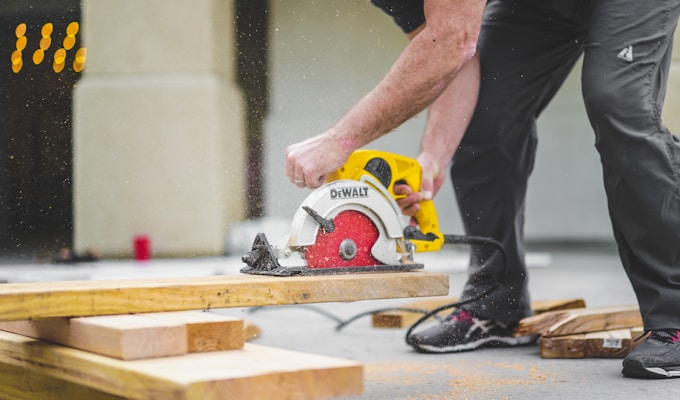
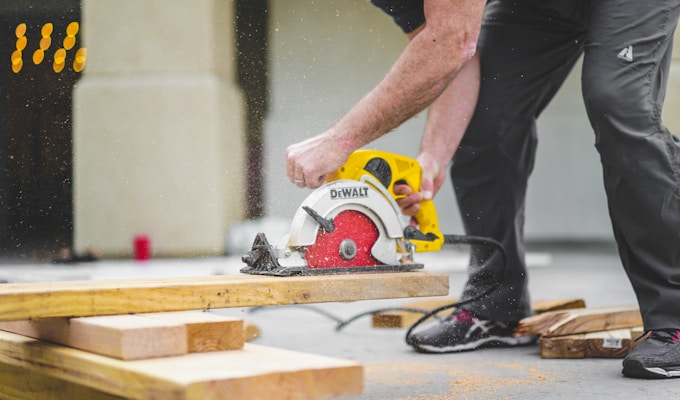
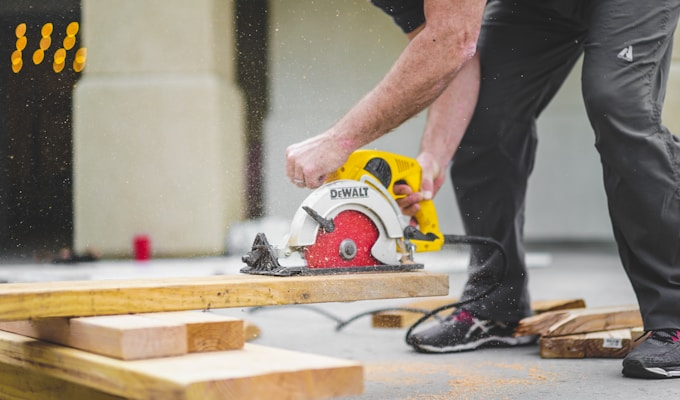
**Circular saws.** The extra power translates to cleaner cuts through thick lumber without bogging down. The PBLCS300B brushless circular saw handles full 2x material at 5,200 RPM without the motor slowdown the brushed equivalent shows on hardwood or pressure-treated decking.
**Reciprocating saws.** More strokes per minute and better load handling. The brushless motor does not stall as easily in thick material.
### Moderate Difference
**Sanders and jigsaws.** Runtime improvement is welcome, but performance difference is subtle. These are not high-torque applications.
### Minimal Difference
**Leaf blowers, string trimmers, flashlights, fans, radios.** No practical difference that most users will notice.
## Price Gap by Tool Category
The HP premium varies by category. Typical bare-tool price differences:
- **Drill/driver:** Standard ~$49, HP ~$79 (+$30)
- **Impact driver:** Standard ~$59, HP ~$99 (+$40)
- **Circular saw:** Standard ~$99, HP ~$129 (+$30)
- **Reciprocating saw:** Standard ~$69, HP ~$89 (+$20)
For tools you use frequently, the $20-40 premium pays for itself through longer runtime and better performance. For tools you use once or twice a year, save the money and use standard ONE+.
## Should You Buy ONE+ HP or Standard?
**Buy ONE+ HP when:** You use the tool regularly (weekly or more), you're buying a drill, impact driver, or saw, and you want the tool to last.
**Buy standard ONE+ when:** You use the tool a few times a year, it's a specialty tool (inflator, radio, fan), or you already have the HP version and just want a backup.
**Building from scratch:** Start with the PCL206K2 combo kit -- PBLDD01B drill plus PBLID02B impact driver, two 2Ah batteries, and a charger for $199. Everything on ONE+ batteries.
## Bottom Line
Ryobi ONE+ HP is not a gimmick. The brushless motors deliver real, measurable improvements in power, runtime, and motor longevity. The batteries are fully cross-compatible, so upgrading is painless. For tools you use regularly -- drills, drivers, saws -- the HP versions are worth the extra $20-40. For tools you use rarely, save the money and stick with standard ONE+.
The best part: because both lines share the same 18V battery, you never have to choose one or the other. Mix and match based on how often you use each tool.
---
## Frequently Asked Questions
Can I use Ryobi ONE+ batteries in HP tools and vice versa?
Yes. All Ryobi ONE+ and ONE+ HP tools share the same 18V battery platform. Any ONE+ battery works in any ONE+ HP tool, and HP batteries work in standard ONE+ tools.
Is the Ryobi HP line worth the extra cost over standard ONE+?
For tools you use frequently or that need sustained power -- impact driver, circular saw, reciprocating saw -- the HP upgrade is worth it. For light-duty tools you use occasionally, standard ONE+ is fine and saves money.
Are Ryobi ONE+ HP tools brushless?
Yes, all Ryobi ONE+ HP tools feature brushless motors. This is the primary difference from standard ONE+ tools, which mostly use brushed motors.
How does Ryobi ONE+ HP compare to Milwaukee M18 or DeWalt 20V?
Ryobi ONE+ HP delivers about 70-80% of the performance of Milwaukee M18 FUEL or DeWalt XR tools at roughly half the price. For homeowners using tools a few hours per week, that gap is rarely noticeable in practice. For professionals running tools 8+ hours a day, Milwaukee and DeWalt offer better ergonomics, durability, and sustained performance under heavy loads.
How many tools are in the Ryobi ONE+ system?
The Ryobi ONE+ platform includes over 300 tools as of 2026, making it one of the largest single-battery ecosystems available. No other brand matches this breadth at a comparable price point.
See all Ryobi tool reviews in our Best Ryobi Tools 2026 guide. For a platform comparison, read Ryobi vs Milwaukee: Is the Upgrade Worth It? or Ryobi vs DeWalt: Which Is Better for DIY?