Makita vs DeWalt: Professional Power Tools Compared for 2026
Makita and DeWalt sit at the top of the professional power tool market, each commanding fierce loyalty from contractors, woodworkers, and serious DIYers. Both deliver premium performance, both justify premium prices, and both have mature battery ecosystems. The differences between them are genuine but nuanced—and choosing the right brand depends on understanding those distinctions.
We’ve tested extensively across both platforms. Here’s an honest breakdown of where each brand excels, where they fall short, and which one deserves your investment in 2026.
Brand DNA: Engineering Cultures That Shape Every Tool
Makita: Japanese Precision Engineering
Founded in 1915, Makita brings over a century of manufacturing expertise to every tool. Their engineering philosophy favors refinement—lower vibration, quieter operation, smoother power delivery. Makita was the first manufacturer to produce 18V lithium-ion cordless tools (in 2005), giving them a two-decade head start on battery optimization.
Makita’s 18V LXT platform includes 300+ tools, rivaling Ryobi’s ecosystem breadth but at professional-grade quality. Their XGT 40V MAX system extends into heavy-duty applications for users who need corded-equivalent power without cords.
DeWalt: American Jobsite Engineering
DeWalt’s roots are in American industrial manufacturing, and their tools reflect jobsite priorities: toughness, power, and ease of use under harsh conditions. Where Makita engineers for precision, DeWalt engineers for durability. Their tools are louder, sometimes heavier, but built to survive concrete dust, rain, and repeated drops.
DeWalt’s 20V MAX platform covers 200+ tools, with the FLEXVOLT system providing 60V capability for tools that demand serious power. Stanley Black & Decker’s manufacturing scale ensures wide availability and competitive pricing.
Head-to-Head: Cordless Drills
The cordless drill comparison reveals each brand’s core philosophy.
Makita 18V LXT Brushless Drill (XFD14Z): 1,240 in-lbs torque, brushless motor, two-speed transmission, compact design at 7.2″ length, weighs 3.8 lbs. Bare tool: $139-169.
DeWalt 20V MAX XR Brushless Drill (DCD800B): 887 in-lbs torque, brushless motor, three-speed transmission, LED work light, 6.9″ length, weighs 3.6 lbs. Bare tool: $139-169.
Our Take: Makita delivers substantially more torque (40% more) in a package that’s only slightly heavier. DeWalt counters with a three-speed transmission that provides finer control for professionals who switch between delicate and aggressive applications frequently. Both are exceptional tools—Makita wins on raw power, DeWalt wins on versatility.
Head-to-Head: Impact Drivers
Impact drivers are where professional users feel the differences most acutely.
Makita 18V LXT Brushless Impact Driver (XDT16Z): 1,600 in-lbs torque, Quick-Shift Mode for precision fastening, four-speed selection, compact 4.8″ length. Bare tool: $119-149.
DeWalt 20V MAX XR Brushless Impact Driver (DCF850B): 1,825 in-lbs torque, three-speed control, precision drive mode, compact design. Bare tool: $129-159.
Our Take: DeWalt leads on maximum torque, but Makita’s Quick-Shift Mode and four-speed selection give experienced users more granular control. Makita’s impact driver is also notably quieter—a real consideration on enclosed jobsites. DeWalt hits harder; Makita hits smarter.
Head-to-Head: Circular Saws
Circular saws showcase cutting performance and ergonomic design differences.
Makita 18V LXT Brushless 6-1/2″ Circular Saw (XSH04ZB): Sub-compact design, 5,000 RPM, AWS dust communication compatible, brake, weighs 6.2 lbs. Bare tool: $149-179.
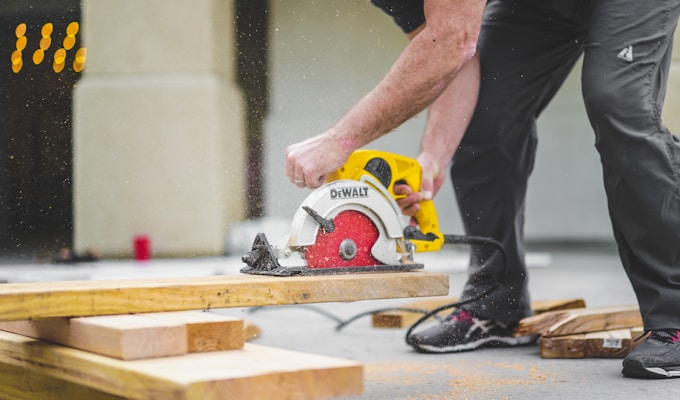
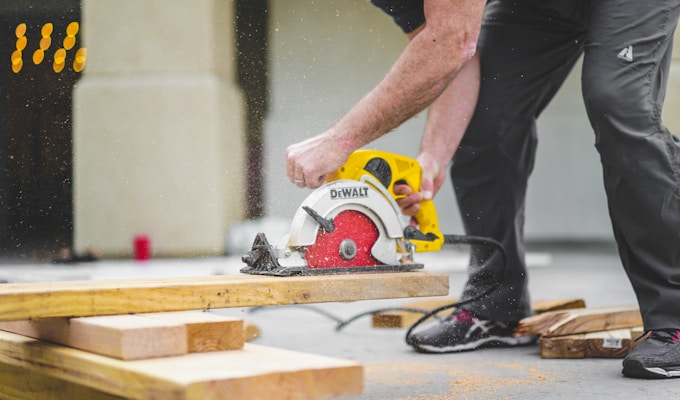
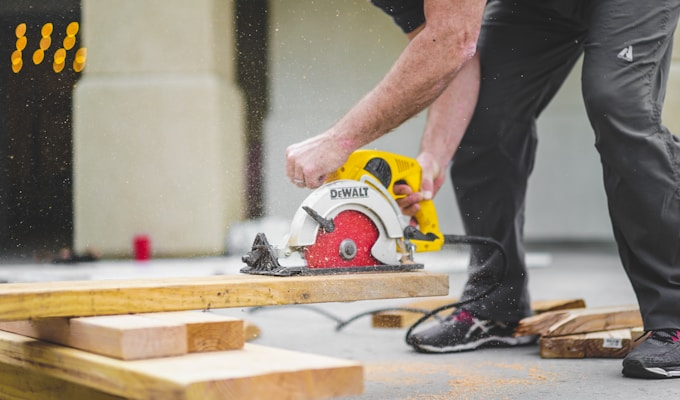
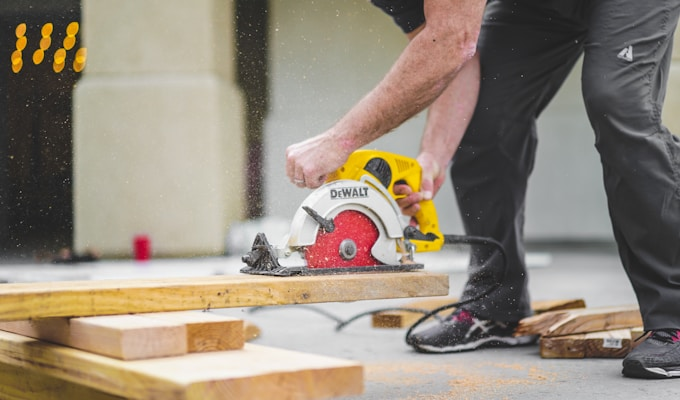
DeWalt 20V MAX 7-1/4″ Circular Saw (DCS570B): Full-size 7-1/4″ blade, 5,500 RPM, 57° bevel capacity, 8.8 lbs. Bare tool: $149-179.
Our Take: Different approaches entirely. Makita’s sub-compact offers remarkable portability and enough cutting capacity for most trim and construction work. DeWalt’s full-size blade handles heavier lumber with more authority. For framers cutting 2x material all day, DeWalt’s larger blade is preferable. For finish carpentry and remodeling, Makita’s compact design wins on maneuverability.
Battery Technology Comparison
Battery performance directly impacts productivity, and both brands have invested heavily here.
| Feature | Makita 18V LXT | DeWalt 20V MAX |
|---|---|---|
| Platform Tools | 300+ | 200+ |
| Fastest Charge (2.0Ah) | 25 min (optimum charger) | 30 min (fast charger) |
| Battery Monitoring | Star Protection computer controls | Battery fuel gauge LEDs |
| High-Power Platform | XGT 40V MAX | FLEXVOLT 60V |
| Battery Cost (5.0Ah) | $79-109 | $89-119 |
| Cross-Compatible | LXT + XGT adapter available | 20V + FLEXVOLT backward compatible |
Makita’s Star Protection technology is a genuine differentiator. Their battery management system monitors temperature, current, and voltage in real-time, protecting both tool and battery from damage. This contributes to Makita batteries’ reputation for exceptional longevity—many professionals report 5+ years of daily use before replacement.
DeWalt’s FLEXVOLT advantage is clever engineering: batteries automatically switch between 20V and 60V depending on the tool they’re inserted into. One battery, two voltage platforms, no adapters needed.
Ergonomics and User Experience
Professionals hold tools for 8+ hours daily. Ergonomic differences accumulate into fatigue differences that affect productivity and health.
Makita advantages: Generally lighter tools, lower vibration ratings (measured in m/s²), quieter operation, more compact form factors. Makita’s teal color scheme with rubberized grips provides excellent grip even in wet conditions.
DeWalt advantages: Larger trigger guards accommodate gloved hands better, more aggressive grip texturing for dusty conditions, brighter LED work lights across the lineup. DeWalt’s yellow-and-black visibility is genuinely useful on cluttered jobsites.
Noise levels: Makita tools consistently measure 2-4 dB quieter than equivalent DeWalt tools. On enclosed jobsites or in workshop settings, this difference is noticeable over extended periods.
Durability Under Professional Conditions
Both brands build for professional abuse, but their durability profiles differ:
Makita: Better sealed against fine dust infiltration, superior bearing quality, longer motor life in controlled testing. Weaker housing impact resistance compared to DeWalt. Best in workshop, finish carpentry, and clean jobsite environments.
DeWalt: Superior drop resistance, better switch durability under heavy use, more robust housing construction. Slightly more susceptible to fine dust issues over time. Best in rough construction, demolition, and outdoor environments.
Neither brand has a clear overall durability advantage. The difference is environmental: Makita excels in precision environments; DeWalt excels in harsh environments.
Price Comparison
| Tool Category | Makita Typical Price | DeWalt Typical Price |
|---|---|---|
| Brushless Drill (bare) | $139-169 | $139-169 |
| Brushless Impact Driver (bare) | $119-149 | $129-159 |
| Circular Saw (bare) | $149-179 | $149-179 |
| Reciprocating Saw (bare) | $149-179 | $129-169 |
| 5.0Ah Battery | $79-109 | $89-119 |
| Combo Kit (Drill + Impact) | $249-329 | $249-329 |
Pricing is remarkably similar between these brands. Makita occasionally edges lower on individual tools; DeWalt often offers more aggressive combo kit deals. Neither brand offers a significant price advantage overall. The decision shouldn’t come down to price—it should come down to fit. For combo kit options from both brands, see our best combo kits guide.
Who Should Choose Makita?
- Finish carpenters and trim workers who value precision and quiet operation
- Woodworkers who prioritize low vibration and smooth power delivery
- Electricians and plumbers working in occupied spaces where noise matters
- Professionals prioritizing battery longevity and Star Protection technology
- Users who prefer lighter, more compact tools for extended overhead work
Who Should Choose DeWalt?
- General contractors and framers working in demanding outdoor conditions
- Renovation and demolition crews who need maximum impact resistance
- Users who want FLEXVOLT capability for corded-power-level cordless tools
- Professionals prioritizing availability—DeWalt parts and service are widely accessible
- Gloved-hand users who need oversized triggers and aggressive grip patterns
The Verdict
Makita and DeWalt are both best-in-class professional brands. Neither is objectively “better”—they’re optimized for different professional environments and work styles. Makita rewards users who value refinement: precision, quiet, longevity, and ergonomic comfort over long shifts. DeWalt rewards users who value resilience: toughness, power, availability, and the FLEXVOLT system’s raw capability.
If you’re torn, consider your primary work environment. Indoor precision work leans Makita. Outdoor rough construction leans DeWalt. Both platforms are mature enough that you won’t regret either choice—the tools perform, the ecosystems are deep, and the warranties are solid.
For a comparison focused on the budget tier, see our Ryobi vs DeWalt guide. For DeWalt versus its closest professional rival, read DeWalt vs Milwaukee. And if you’re weighing corded vs cordless, we have a complete breakdown of that decision too.
Frequently Asked Questions
Q: Can I use Makita batteries in DeWalt tools?
A: No. Makita 18V LXT and DeWalt 20V MAX batteries use different proprietary connections and are completely incompatible. Third-party adapters exist but void warranties and aren’t recommended.
Q: Which brand is better for home use?
A: Both are overkill for casual home use. If you’re a homeowner doing occasional projects, consider Ryobi or another consumer-grade brand. If you do enough projects to justify professional tools, either Makita or DeWalt will serve you well for decades.
Q: Is Makita’s 18V really equivalent to DeWalt’s 20V?
A: Yes. DeWalt’s “20V MAX” is a nominal (peak) voltage rating. Under load, DeWalt 20V MAX batteries deliver approximately 18V—the same as Makita’s 18V LXT. The voltage naming is marketing, not a performance difference.
Q: Which brand has better warranty support?
A: Both offer 3-year limited warranties on tools. DeWalt has more authorized service centers in the US due to Stanley Black & Decker’s distribution network. Makita’s service is reliable but may require shipping tools to regional centers.
Q: Do professionals actually prefer one brand over the other?
A: Preferences are strong and often trade-specific. Electrical and HVAC professionals frequently prefer Makita for compactness and quiet operation. Framers and general contractors lean DeWalt for ruggedness. Both brands have deep professional following.
Related Reading
- DeWalt vs Milwaukee: Professional Showdown
- Ryobi vs DeWalt: Budget vs Professional
- Corded vs Cordless Power Tools Guide
- Best Power Tool Combo Kits 2026
- Best Cordless Drills Reviewed
- Best Impact Drivers Reviewed
- Makita vs Milwaukee: Pro-Grade Brand Comparison
- Power Tool Safety Guide: Essential Rules Every Workshop Needs
- Best Drill Presses 2026: 6 Models for Precision Drilling
- Best Thickness Planers 2026: 6 Models Tested
- Makita vs Ryobi: Which Brand Is Better for DIYers?