If you're building out your first tool collection -- or expanding an existing one -- Makita and Ryobi will both come up. They're two of the most popular cordless platforms in the US. But they serve different buyers, and choosing the wrong platform means spending years locked into batteries and chargers that don't match your actual needs.
This comparison is aimed at DIYers: people doing home improvement, weekend projects, occasional construction, and general repairs. Not full-time contractors, not hobbyists who use tools once a year. DIYers in the middle. I've run both platforms through real work to give you an honest picture.
Brand Overview
Makita
Makita is a Japanese manufacturer that's been making power tools since 1915. Their 18V LXT platform is the world's largest cordless system -- over 300 tools run on the same battery. Quality control is consistently strong, and their professional-grade tools end up in the hands of tradespeople worldwide. For DIYers, that means you're buying tools built to commercial standards at prices that reflect it.
Ryobi
Ryobi is owned by Techtronic Industries (same parent company as Milwaukee and Ridgid) and is positioned as the value play in cordless tools. Their ONE+ 18V platform is enormous -- 300+ tools as well -- and their HP (High Performance) brushless line has closed the gap with mid-tier professional tools significantly. Ryobi's pitch to DIYers is direct: more tools, lower price, one battery platform.
Head-to-Head: Key Categories
Drills
| Model | Max Torque | Speeds | Chuck | Weight | Price |
|---|---|---|---|---|---|
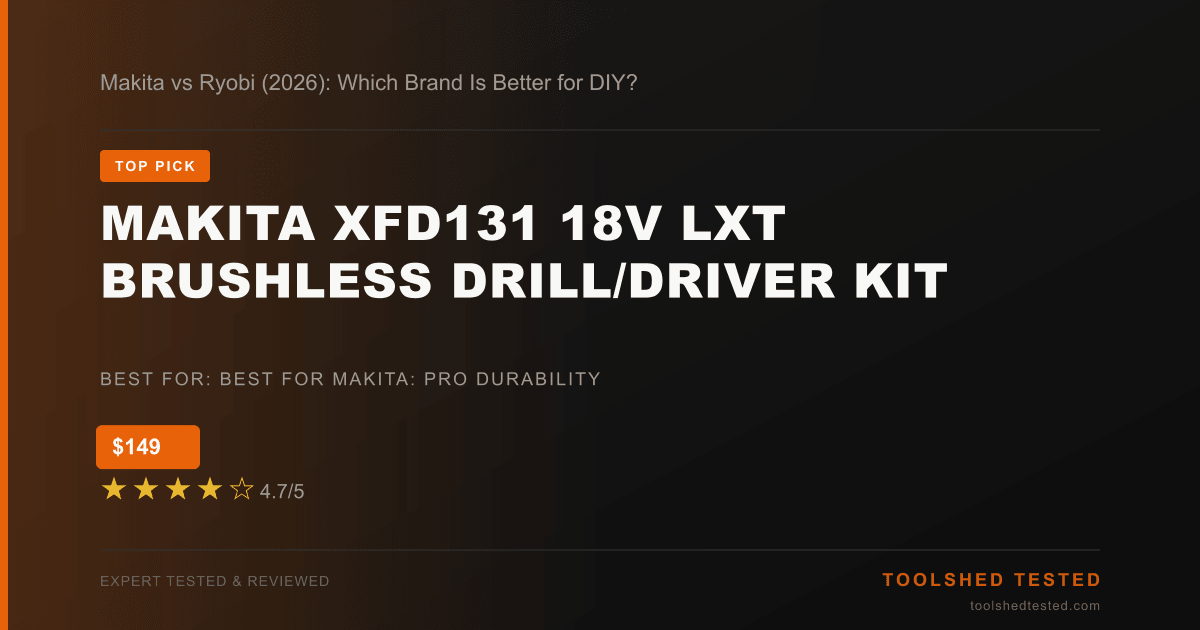
| Makita XFD131 | 530 in-lbs | 2-speed | 1/2" keyless | 3.3 lbs | ~$179 (kit) |
| Ryobi PBLDD01 | 500 in-lbs | 2-speed | 1/2" keyless | 3.6 lbs | ~$99 (kit) |
The Makita XFD131 is noticeably tighter in build quality -- the chuck seats better, the clutch clicks are more defined, and the motor runs quieter at low speeds. The Ryobi PBLDD01 brushless is genuinely good and handles 95% of DIY tasks without complaint. But push either drill hard -- driving large lag bolts into hardwood, for example -- and the Makita sustains performance longer without heat buildup. Both models appear in our best cordless drills 2026 roundup alongside DeWalt and Milwaukee, where you can see how they stack up across seven tested models.
Winner: Makita for performance. Ryobi for value.
Impact Drivers
| Model | Max Torque | IPM | Weight | Price |
|---|---|---|---|---|
| Makita XDT16 | 1,500 in-lbs | 3,800 | 2.6 lbs | ~$129 (bare) |
| Ryobi PBLID02 | 1,800 in-lbs | 3,200 | 2.9 lbs | ~$99 (bare) |
This one is closer than you'd expect. The Ryobi PBLID02 actually wins on rated torque, and for driving deck screws, structural screws, or lag bolts, it punches above its price. The Makita XDT16 is more refined -- 4-mode torque control gives it precision the Ryobi lacks -- but for pure DIY driving, either gets the job done. The Makita's tighter impact mechanism produces a noticeably smoother driving feel and better cam-out resistance at the end of the drive stroke.
Winner: Ryobi on torque-per-dollar. Makita on control and refinement.
Circular Saws
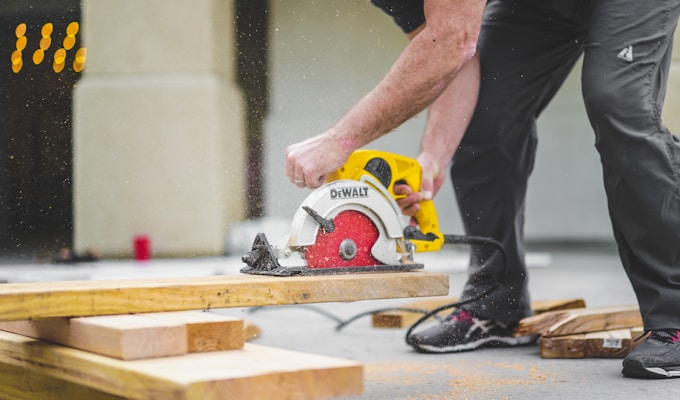
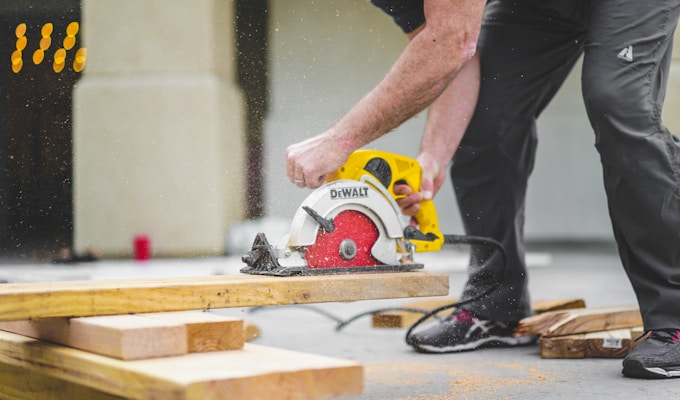
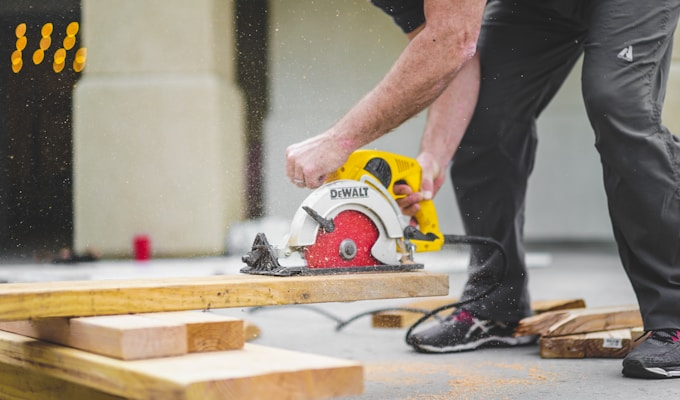
Makita's 18V circular saws are strong performers -- the XSH06 runs a 7-1/4" blade and cuts at full depth through dimensional lumber without bogging. The Ryobi PBLCS300B (also 7-1/4") is lighter and noticeably noisier, but makes clean cuts on standard framing lumber and plywood without issue. For DIYers cutting 2x4s and sheet goods, both work. For repeated ripping through hardwood or thick decking, the Makita holds steady longer.
The Ryobi circular saw is worth an honest look in this category: the PBLCS300B has electronic brake, LED cutline light, and a magnesium shoe that keeps it lighter than many comparable models. At $99 bare vs Makita's $129+, the value gap is meaningful and the performance difference is modest for typical DIY applications.
- Makita XSH06PT 18V X2 Circular Saw Kit on Amazon
- Ryobi PBLCS300B 18V HP Brushless Circular Saw on Amazon
Reciprocating Saws
This is where the gap between Makita and Ryobi becomes most apparent for heavier work. The Makita XRJ07 delivers a 1-1/4" stroke length and significantly more consistent power through material resistance than the Ryobi PBLRS300B. For demo work -- cutting through nailed framing, old plumbing, mixed-material cuts -- the Makita's sustained performance is noticeably better. The Ryobi handles lighter cuts (PVC pipe, thin metal, occasional wood) without complaint, but throttles under sustained load in thick lumber or when cutting through nails repeatedly.
If occasional trim cuts or light demo is all you need from a recip saw, Ryobi is fine. If you're framing, demolishing, or doing sustained cutting through material, the Makita is worth the price difference in productivity.
Battery Platform Comparison
| Factor | Makita 18V LXT | Ryobi ONE+ 18V |
|---|---|---|
| Tools in ecosystem | 300+ | 300+ |
| Battery price (5Ah) | ~$59-79 | ~$39-59 |
| Outdoor tools | Limited | Extensive |
| Pro tool depth | Very strong | Moderate |
| Availability | Online + dealers | Home Depot exclusive |
| Battery longevity (heavy use) | 4-5 years | 2-3 years |
| Dual-voltage compatibility | Yes (18Vx2=36V on select tools) | No |
Ryobi's ONE+ platform wins on ecosystem breadth for DIYers specifically. Their outdoor lineup -- mowers, leaf blowers, pressure washers, snow blowers -- is deep and runs on the same 18V batteries as your drill. If you want one battery to power everything from your drill to your lawn mower, Ryobi is hard to beat. Makita's outdoor line exists but is thinner and more expensive.
Makita wins if you ever plan to step up to pro tools, or if you care about battery longevity. Makita BL1850B batteries hold capacity better over years of heavy cycling than comparable Ryobi packs. Makita also offers a unique dual-voltage advantage with their X2 LXT tools (18Vx2=36V) -- running two 18V batteries in series for more power in demanding applications without switching to a separate higher-voltage platform.
Battery Ecosystem: Long-Term Cost
The battery ecosystem question deserves more than a spec table. The long-term cost of a cordless platform isn't just the tool prices -- it's the battery prices, replacement frequency, and the value of the tools the platform unlocks over time.
Ryobi's batteries are consistently less expensive: a 4Ah Ryobi pack runs $35-49 versus $55-79 for a comparable Makita LXT pack. Over a 10-year ownership period building a 6-tool collection and replacing batteries every 3-4 years, the Ryobi battery savings alone could add up to $150-250 depending on how many packs you run. That's a real difference.
But battery longevity factors in. Makita BL-series batteries maintain capacity better under heavy cycling -- if you're using tools 3-4 times per week, you might replace Makita batteries every 4-5 years versus every 2-3 years for Ryobi under equivalent load. At that replacement frequency, the total battery spend over 10 years is closer than the per-unit price difference suggests.
The other long-term cost factor is tool resale value. Makita tools hold meaningful used value -- a used Makita drill kit in good condition sells for 40-60% of retail on eBay or Facebook Marketplace. Ryobi tools hold essentially no resale value. If you ever plan to upgrade or switch platforms, the ability to recoup some tool cost from Makita is a genuine financial advantage.
Finally, consider ecosystem lock-in. Once you have 4-6 batteries on a platform, switching becomes expensive regardless of brand. Choose the platform you want to stay on long-term, because the battery investment is what makes switching painful. If you're unsure, Ryobi's lower per-battery cost makes the eventual switch less painful than abandoning a $400+ Makita battery investment.
Price and Long-Term Cost
Here's the real comparison most DIYers face:
- Starting kit (drill + impact + 2 batteries + charger): Ryobi ~$149-199 / Makita ~$279-349
- Adding a circular saw: Ryobi +$99 bare / Makita +$129 bare
- Replacing a battery (5Ah) after 3 years: Ryobi ~$49 / Makita ~$69
Over a 5-year ownership span building a 6-tool kit, Ryobi typically runs $400-600 cheaper. That gap narrows if you buy refurbished Makita or wait for sales, but Ryobi's everyday pricing is consistently lower.
The counterargument: Makita tools last longer under regular use. If you're going to use these tools 3-4x per week for years, the durability premium on Makita pays off. If you're doing occasional weekend projects, Ryobi's value proposition is hard to argue with.
Our Recommendation by Use Case
Rather than a single winner, here's the honest breakdown of which platform wins for different user profiles.
First-time buyer on a budget: Ryobi. The ONE+ starter kit gets you a drill, impact driver, circular saw, and two batteries for $200-250 at Home Depot. That's a complete starting kit at a price Makita can't touch. For initial projects -- furniture assembly, hanging things, basic repairs -- Ryobi delivers without compromise.
Homeowner who wants outdoor and indoor on one battery: Ryobi. Mowers, blowers, pressure washers, string trimmers -- Ryobi's ONE+ outdoor lineup is unmatched for breadth at this price tier. Makita's outdoor tools exist but are priced significantly higher and the selection is narrower. If running your whole property on one battery platform is the goal, Ryobi is the only practical choice.
Regular DIYer who does projects most weekends: Makita. At this frequency of use, the build quality and battery longevity advantages start to pay off. The Makita tools will feel noticeably better in hand after a year of regular use, the batteries will maintain capacity longer, and the tighter tolerances in the chuck and clutch mechanisms produce better results on detail work.
The DIYer who might go semi-pro: Makita. If there's any chance you'll eventually be doing paid side work -- remodeling, carpentry, installations -- buy Makita now and skip the platform switch cost later. Makita tools are taken seriously in professional environments in a way Ryobi tools generally aren't, and the LXT ecosystem is deep enough to cover most trade applications.
Who Should Buy Makita
- You do regular home improvement projects and want tools that last 10+ years
- You might go pro or semi-pro eventually and want to stay on the same platform
- You prioritize precision and build quality over cost
- You work in dust, moisture, or outdoor conditions regularly
Who Should Buy Ryobi
- You're a first-time tool buyer who needs a complete kit without a large upfront spend
- You want one battery platform for both power tools AND outdoor equipment
- Your projects are occasional -- furniture assembly, hanging shelves, seasonal repairs
- Budget is the primary constraint and you'd rather have more tools for less money
Related Comparisons
If you're still deciding on a platform, these comparisons are worth reading:
- Makita vs DeWalt: Which Is Worth the Premium?
- Makita vs Milwaukee: Pro Platform Showdown
- Ryobi vs DeWalt: Is the Upgrade Worth It?
- Makita XDT16Z vs Ryobi PBLID02B: Impact Driver Head-to-Head
- Best Cordless Tool Combo Kits 2026
- DeWalt vs Milwaukee vs Makita 2026: Three-Brand Comparison
- Best Drill for DIY Projects 2026
FAQ
Is Makita worth it over Ryobi for a DIYer?
If you do projects regularly (weekly to bi-weekly), yes -- the durability and performance gap justifies the price difference over time. For occasional users doing one or two projects a month, Ryobi delivers enough performance at a meaningfully lower price.
Can Ryobi and Makita batteries be interchanged?
No. Ryobi ONE+ and Makita 18V LXT batteries use different form factors and are not compatible with each other's tools. Once you start a platform, you're committed to it for battery compatibility.
Does Ryobi make professional-grade tools?
Their HP brushless line is genuinely competitive for light professional use, but Ryobi is positioned as a consumer brand. For full-time professional use, Milwaukee or DeWalt are the standard choices -- Makita sits between those and Ryobi in terms of pro adoption.
Which brand has better warranty support?
Makita offers a 3-year limited warranty on tools and 1 year on batteries. Ryobi offers 3-year tool warranty and 3-year battery warranty when registered -- Ryobi's battery warranty is actually more generous. Both brands honor warranties without significant hassle in our experience.
What if I already own some Ryobi tools -- should I switch to Makita?
Only switch if the performance gap is causing real problems with your projects. If your Ryobi tools are getting the job done, staying on the platform and expanding it is smarter than paying to restart with Makita batteries and chargers.
How does Makita 18V compare to Makita 40V XGT for a DIYer?
For most DIYers, 18V LXT is the right platform -- it has the largest tool selection, the most accessories, and the lowest entry cost. Makita's 40V XGT delivers more power for demanding applications (large miter saws, heavy-duty hammer drills, outdoor equipment) but at a higher battery cost and a smaller tool catalog. Unless you have a specific application that 18V LXT genuinely can't handle, stay on 18V LXT.
Is Makita available at Home Depot?
Makita has limited Home Depot presence compared to Ryobi (which is a Home Depot exclusive) and DeWalt. Most Makita purchases happen online (Amazon, Tool Nut, Acme Tools) or through specialty tool dealers. This can matter for hands-on testing before buying and for warranty service convenience -- check your local authorized Makita service center availability before committing to the platform.